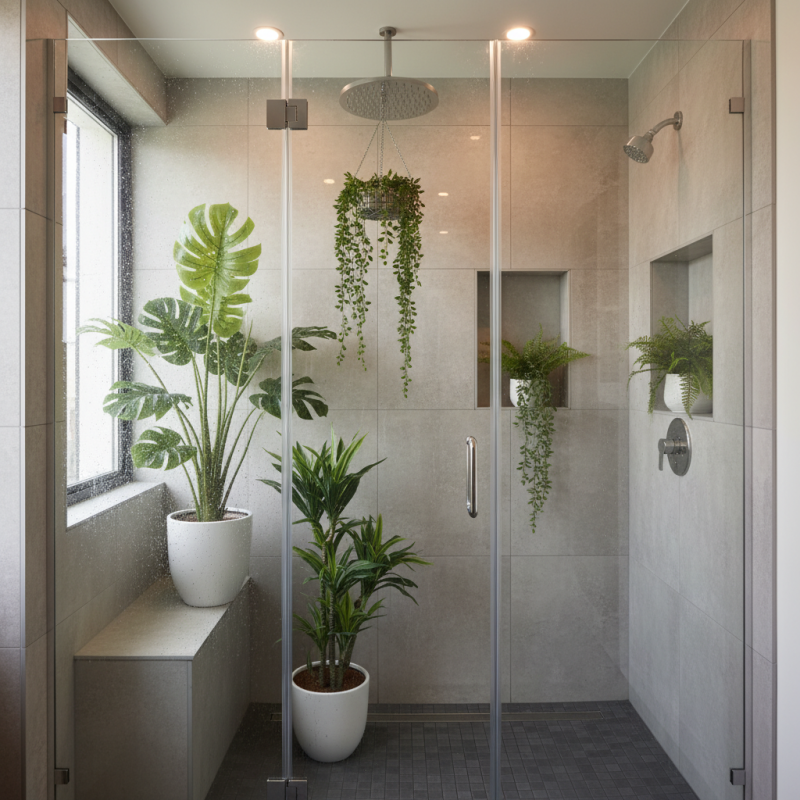
When considering bathroom aesthetics, many ask, "Can you put artificial plants in a real shower?" The answer is not straightforward, as it involves various factors. Artificial plants can enhance the ambiance of a shower space. They bring a touch of nature, which can be relaxing.
However, one must consider the moisture levels in a shower. Artificial plants are typically made of plastic and fabric. These materials can hold onto water and mildew if not cared for properly. On the flip side, the right choice of plant can add charm without the worry of real plants wilting or decaying.
Some might question the practicality of including artificial plants in a wet environment. It’s crucial to ensure they are made with high-quality materials. This minimizes any potential drawbacks. Ultimately, while the idea is appealing, careful thought is essential. The bathroom can be a sanctuary, but it must be maintained thoughtfully.
Understanding Artificial Plants: Materials and Durability
Artificial plants are increasingly popular in home decor. Their durability and low maintenance make them appealing. Understanding the materials used in these plants is key for their placement in spaces like showers.
Most artificial plants are made from plastic, silk, or a combination of materials. Plastic dominates the market due to its weather-resistant properties. It withstands humidity without fading or deteriorating. However, some cheaper plastic options can degrade over time, especially in damp environments. Make sure to examine the quality of the plant before using it in a shower.
Silk plants, while more delicate, can still perform well in humid conditions. They may require extra care, like occasional dusting. Both types can enhance a shower space, but some might not hold up in the long run. It’s essential to consider the potential need for replacement or cleaning. When choosing artificial plants, reflect on their resilience and your commitment to maintaining your space.
Can You Use Artificial Plants in a Real Shower Space? - Understanding Artificial Plants: Materials and Durability
| Material |
Durability |
Water Resistance |
Maintenance |
Aesthetic Appeal |
| Silk |
Moderate (1-3 years) |
Low |
Dusting required |
High |
| Plastic |
High (5+ years) |
High |
Wipe clean |
Moderate |
| Polyester |
Moderate to High (3-5 years) |
Moderate |
Occasional washing |
High |
| Foam |
Moderate (2-4 years) |
Low to Moderate |
Dusting required |
Moderate |
Benefits of Using Artificial Plants in Shower Spaces
Using artificial plants in shower spaces offers numerous benefits that enhance your bathing experience. The humid environment of a bathroom can be harsh on real plants, making artificial options a practical choice. They retain their vibrant colors and shapes without needing natural light or water. This adds a pop of greenery to your shower, creating a relaxing oasis.
Consider the aesthetic boost that artificial plants bring. They can transform a plain shower into a serene retreat. Choose plants that mimic tropical varieties to evoke a spa-like ambiance. The right greenery can promote relaxation and reduce stress during your daily routine.
Tips: When selecting artificial plants, opt for materials that are water-resistant. This helps them withstand humidity without deteriorating. Also, consider placing them in decorative holders or shelves to increase visual interest. Regularly clean the plants to prevent dust accumulation. Embrace imperfection; a slight fading can add character to your shower's atmosphere while maintaining its charm.
Benefits of Using Artificial Plants in Shower Spaces
Considerations for Placement and Environment in Bathrooms
When considering the use of artificial plants in a real shower space, placement and environment are crucial.
Bathrooms often have varying humidity levels, which can impact plant longevity. According to a report by the Journal of Environmental Horticulture, 70% of homeowners find that real plants thrive in higher humidity. However, artificial plants can mimic this effect without the upkeep.
In addition, the aesthetic impact of artificial greenery can enhance a bathroom's atmosphere. Data from a 2022 survey indicates that 62% of respondents felt more relaxed in spaces featuring plants. People enjoy the visual appeal without the stress of maintenance. It’s essential to consider the color and style of artificial plants to match the bathroom's overall theme. Bright colors may clash with serene tones.
However, not all artificial plants are created equal. Some may degrade under the high-moisture conditions typical of showers. It’s critical to choose quality materials that resist fading and can withstand humidity. Additionally, users should check regularly for dust accumulation. This can detract from the visual appeal, creating a need for routine maintenance. Balancing aesthetics and practicality in a humid environment is a nuanced challenge.
Maintenance and Cleaning Tips for Artificial Plants in Moist Areas
When using artificial plants in shower spaces, cleaning and maintenance become crucial. Moist environments can harbor mold and mildew, which can damage even the best-quality artificial foliage. A study from a leading indoor air quality organization found that 45% of artificial plants in humid regions showed signs of mold buildup after six months. This alarming statistic emphasizes the need for regular maintenance.
To keep artificial plants looking vibrant, consider using a damp cloth weekly. Dust and moisture can accumulate quickly. Make sure to check concealed areas where mold might hide. For stubborn spots, a gentle mixture of water and mild soap works wonders. However, avoid soaking the plants as excess water can lead to discoloration or deformation. Industry experts recommend using a protective spray treatment to deter moisture and dust accumulation.
Despite these measures, there are challenges. Some artificial plants may lose their shine or color over time, especially in direct light. Additionally, diligent cleaning may be necessary more often than anticipated. Learning to balance the beauty of artificial plants with practical maintenance is essential for a refreshing shower space.
Alternative Options: Real Plants vs. Artificial Plants in Showers
When it comes to creating a relaxing shower space, plants can enhance the ambiance. Real plants bring life, but they also require specific conditions. Humidity, lighting, and ventilation are crucial. According to a study by the American Society of Horticultural Science, around 70% of houseplants thrive in high humidity. Showers, with their constant moisture, could be ideal for the right plants. However, many common bathroom plants like ferns and orchids may not survive constant wetness.
On the other hand, artificial plants provide an appealing alternative. They require no sunlight or specific humidity levels, making them perfect for any shower space. A survey from the National Gardening Association revealed that over 40% of gardeners prefer low-maintenance plants. While artificial options don't purify air like real plants, their aesthetic value can still enhance your bathing experience. It’s important to choose high-quality materials to ensure they can withstand the humidity without degrading quickly.
There are benefits and drawbacks to both choices. Real plants might improve air quality and create a natural setting. Yet, they demand attention and care that not everyone can commit to. Artificial plants are hassle-free but lack some natural benefits. The decision often hinges on personal preferences and lifestyle. Balancing aesthetics and maintenance needs requires thoughtful consideration.
FAQS
: Most artificial plants consist of plastic, silk, or a mix of both materials.
Plastic is weather-resistant and endures humidity well, making it a durable choice.
Yes, lower-quality plastic options can deteriorate, especially in humid areas like showers.
Silk plants can do well but may need more care, like regular dusting.
Use a damp cloth weekly to remove dust and moisture buildup.
Yes, mold is a risk in moist areas; almost half of plants showed signs after six months.
A gentle mixture of water and mild soap can help with tough stains.
Yes, prolonged sunlight exposure may cause fading in some plants.
Avoid soaking plants, as excess water can lead to discoloration or deformation.
Regular care keeps plants vibrant and looking fresh, especially in humid environments.
Conclusion
The article "Can You Use Artificial Plants in a Real Shower Space?" explores the viability and benefits of incorporating artificial plants into bathroom environments. It begins by discussing the various materials used in artificial plants and their durability in moist conditions, highlighting their resilience compared to natural plants. Additionally, the piece outlines the aesthetic advantages of adding greenery to a shower space, which can enhance the overall ambiance.
However, careful consideration is necessary regarding placement and the bathroom's environment, as improper positioning may affect both the aesthetics and longevity of the artificial plants. The article also provides valuable maintenance and cleaning tips to ensure these plants remain in good condition despite humidity. Furthermore, it contrasts the pros and cons of real plants versus artificial ones in shower spaces, providing readers with insights to answer the question: "Can you put artificial plants in a real shower?". Overall, artificial plants can be a great choice for enhancing the look of a shower while requiring minimal upkeep.

 Purely Plants